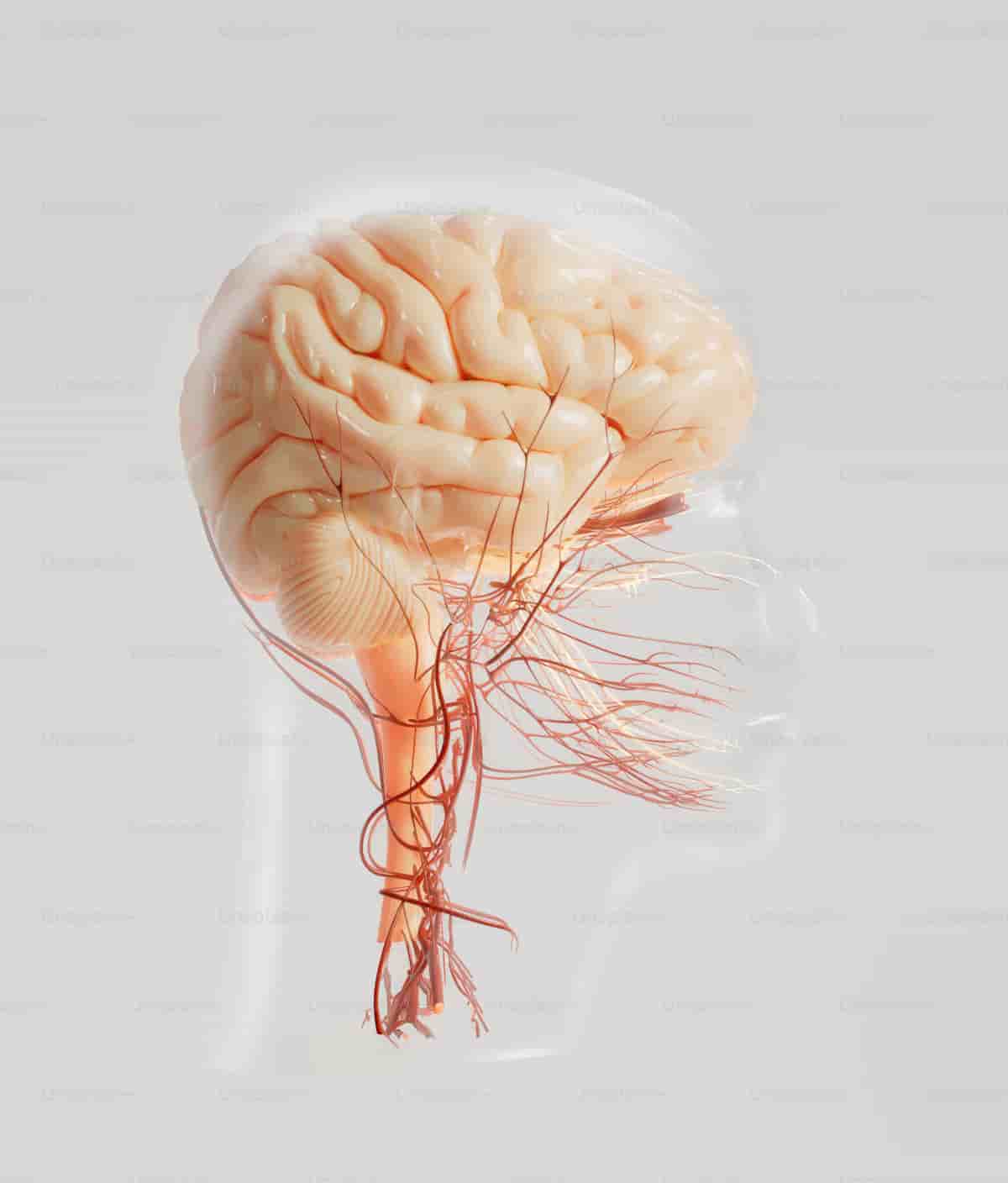
A stroke occurs when the blood supply to part of the brain is interrupted, causing brain cells to die. It is a medical emergency where rapid treatment can mean the difference between full recovery and permanent disability or death. Stroke is the second leading cause of death worldwide and a leading cause of long-term disability.
Types of Stroke
Ischaemic Stroke (85% of all strokes)
Caused by a blood clot blocking an artery supplying the brain.
- Thrombotic stroke: A clot forms in an artery already narrowed by atherosclerosis
- Embolic stroke: A clot forms elsewhere (often the heart, especially in atrial fibrillation) and travels to the brain
Haemorrhagic Stroke (15% of all strokes)
Caused by bleeding in or around the brain.
- Intracerebral haemorrhage: A blood vessel within the brain bursts
- Subarachnoid haemorrhage: Bleeding in the space between the brain and the surrounding membrane
Transient Ischaemic Attack (TIA)
A "mini-stroke" where symptoms resolve completely within 24 hours (usually within minutes to hours). A TIA is a medical emergency and a warning sign: the risk of a full stroke is highest in the days and weeks following a TIA.
Recognise the Signs: Act FAST
The FAST test helps identify stroke symptoms:
- F - Face: Has the face fallen on one side? Can they smile?
- A - Arms: Can they raise both arms and keep them there?
- S - Speech: Is their speech slurred or garbled? Can they understand you?
- T - Time: Time to call emergency services immediately
Additional Symptoms
- Sudden severe headache with no known cause
- Sudden confusion or difficulty understanding
- Sudden vision problems in one or both eyes
- Sudden dizziness, loss of balance, or difficulty walking
- Sudden numbness or weakness, particularly on one side of the body
Why Speed Matters
For ischaemic stroke, clot-dissolving treatment (thrombolysis with alteplase) must be given within 4.5 hours of symptom onset. Mechanical thrombectomy (physically removing the clot) can be performed up to 24 hours in selected patients. Every minute without treatment, approximately 1.9 million neurones are lost.
Risk Factors
Modifiable
- High blood pressure: The single most important modifiable risk factor
- Atrial fibrillation: Increases stroke risk 5-fold. Anticoagulation reduces risk by approximately 65%
- Diabetes
- Smoking
- High cholesterol
- Obesity and physical inactivity
- Excessive alcohol consumption
- Poor diet
Non-Modifiable
- Age (risk doubles each decade after age 55)
- Sex (slightly higher in men, but women have higher mortality)
- Family history
- Previous stroke or TIA
- Ethnicity (higher risk in South Asian and African-Caribbean populations)
Prevention
Primary Prevention
- Control blood pressure (target below 140/90 mmHg, or below 130/80 mmHg with diabetes)
- Screen for and treat atrial fibrillation (anticoagulation with DOACs or warfarin)
- Manage diabetes effectively
- Quit smoking
- Maintain a healthy weight
- Exercise regularly (at least 150 minutes moderate-intensity per week)
- Eat a balanced diet rich in fruits, vegetables, and whole grains
- Limit salt intake to less than 6g per day
- Drink alcohol in moderation
Secondary Prevention (After Stroke or TIA)
- Antiplatelet therapy (aspirin, clopidogrel) for ischaemic stroke
- Anticoagulation for atrial fibrillation
- Statin therapy
- Blood pressure management
- Lifestyle modifications
- Carotid endarterectomy for significant carotid stenosis
Recovery
Stroke rehabilitation is essential and may include:
- Physiotherapy for movement and balance
- Occupational therapy for daily activities
- Speech and language therapy
- Psychological support
- Ongoing medical management
Recovery is most rapid in the first few months but can continue for years. The brain has significant capacity to reorganise and compensate for damaged areas.
At Jabal Sina Medical Centre, our neurology and internal medicine teams work together to identify stroke risk factors, provide prevention strategies, and support ongoing management.
This article is for informational purposes only and does not replace professional medical advice. Always consult your doctor or call emergency services immediately if you suspect a stroke.