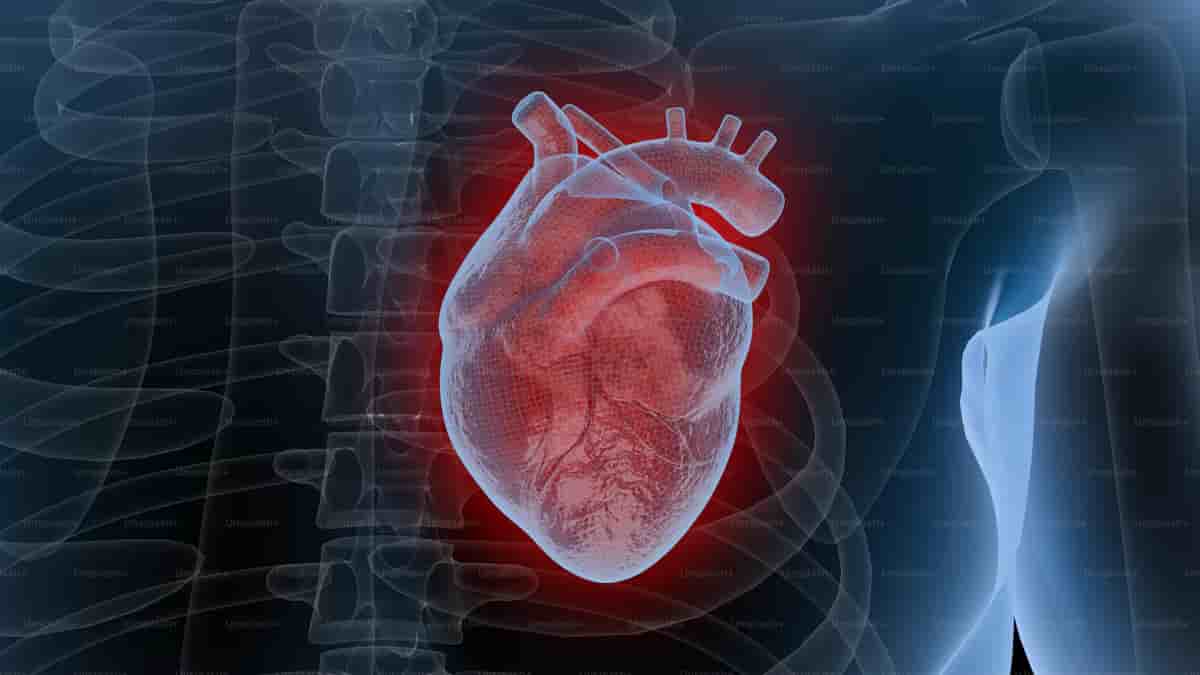
Cardiovascular disease (CVD) is the leading cause of death globally, responsible for approximately 17.9 million deaths per year according to the World Health Organization. In the UAE, heart disease accounts for a significant proportion of mortality, with the prevalence of risk factors such as diabetes, obesity, and sedentary lifestyles contributing to this burden.
Types of Cardiovascular Disease
Coronary Artery Disease (CAD)
The most common type. Fatty deposits (atherosclerotic plaques) build up in the coronary arteries, reducing blood flow to the heart muscle.
- Can cause angina (chest pain on exertion)
- Can lead to heart attack if a plaque ruptures and blocks an artery completely
Heart Failure
The heart cannot pump blood efficiently enough to meet the body's needs.
- Causes breathlessness, fatigue, and fluid retention
- Can result from CAD, hypertension, or other conditions
Arrhythmias
Abnormal heart rhythms, including atrial fibrillation (AF), which affects 1-2% of the population.
- AF increases stroke risk by approximately 5 times
- May cause palpitations, dizziness, or no symptoms at all
Valvular Heart Disease
Damage to one or more heart valves affecting blood flow through the heart.
Risk Factors
Modifiable Risk Factors
- High blood pressure: The single most important modifiable risk factor. Target below 140/90 mmHg (or 130/80 mmHg for those with diabetes)
- High cholesterol: Elevated LDL cholesterol accelerates atherosclerosis
- Diabetes: Doubles the risk of CVD. Good glucose control reduces complications
- Smoking: Damages blood vessels and accelerates plaque formation. Risk decreases significantly within 1-2 years of quitting
- Obesity: Particularly central (abdominal) obesity
- Physical inactivity: Regular exercise reduces CVD risk by 20-30%
- Unhealthy diet: High in saturated fats, salt, and processed foods
- Excessive alcohol consumption
Non-Modifiable Risk Factors
- Age (risk increases with age)
- Male sex (though women's risk increases after menopause)
- Family history of premature CVD (before 55 in male or 65 in female first-degree relative)
- Ethnicity (South Asian and Middle Eastern populations have higher risk)
Warning Signs of a Heart Attack
Recognise these symptoms and call emergency services immediately:
- Chest pain or discomfort (pressure, squeezing, fullness, or pain in the centre of the chest)
- Pain spreading to the arms, jaw, neck, back, or stomach
- Shortness of breath
- Breaking out in a cold sweat
- Nausea or vomiting
- Lightheadedness or dizziness
Women may present with less typical symptoms, including fatigue, nausea, and upper back pain rather than classic chest pain.
Prevention: Evidence-Based Steps
Diet
The Mediterranean diet has the strongest evidence for cardiovascular protection. The PREDIMED trial demonstrated a 30% reduction in major cardiovascular events. Key components:
- Plenty of fruits, vegetables, and whole grains
- Olive oil as the primary fat source
- Fish at least twice per week
- Nuts (a handful daily)
- Limited red and processed meat
- Limited added sugars and refined carbohydrates
Physical Activity
The ESC and AHA recommend:
- At least 150 minutes of moderate-intensity aerobic activity per week (brisk walking, cycling)
- Or 75 minutes of vigorous-intensity activity
- Muscle-strengthening activities at least 2 days per week
- Reduce prolonged sitting time
Blood Pressure Management
- Reduce salt intake to less than 6g per day
- Maintain a healthy weight
- Regular physical activity
- Limit alcohol
- Medication as prescribed by your doctor
Cholesterol Management
- Statins are the most evidence-based treatment for elevated cardiovascular risk
- Dietary changes can reduce LDL by 5-10%
- NICE recommends considering statins for anyone with a 10-year CVD risk of 10% or more
When to See a Cardiologist
Consult a specialist if you experience:
- Chest pain or discomfort, especially with exertion
- Unexplained shortness of breath
- Palpitations (awareness of heartbeat) that are frequent or associated with dizziness
- Fainting or near-fainting episodes
- Family history of premature heart disease
- Known risk factors that are difficult to control
At Jabal Sina Medical Centre, our cardiac surgery and internal medicine departments work together to provide comprehensive cardiovascular assessment and management.
This article is for informational purposes only and does not replace professional medical advice. Always consult your doctor for personalised guidance.