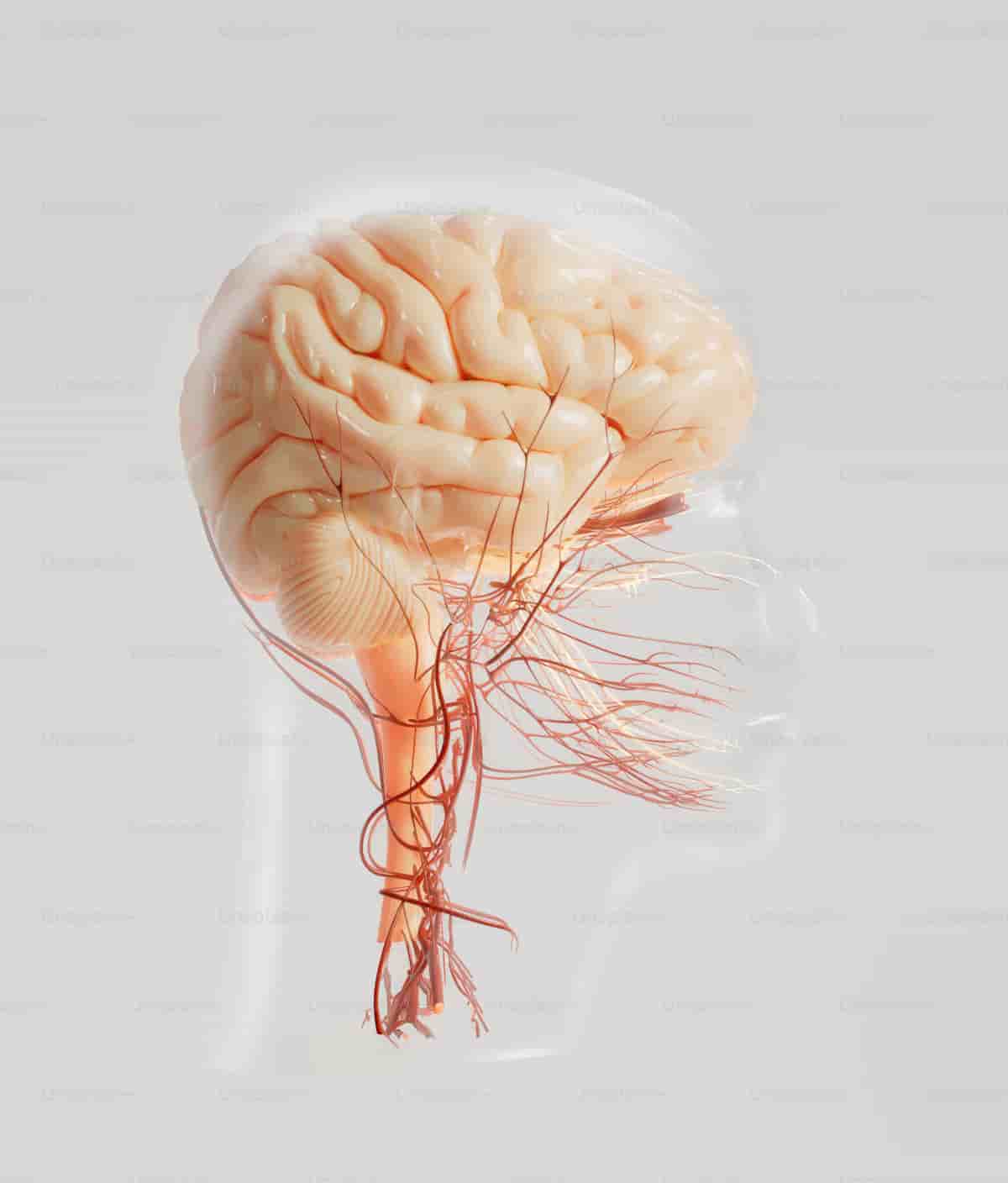
Headache disorders are among the most common conditions of the nervous system, affecting nearly half of the adult population at least once a year. While most headaches are benign and manageable, they can significantly impact quality of life, productivity, and well-being. Understanding the different types helps guide effective treatment.
Primary Headache Types
Tension-Type Headache
The most common type, affecting approximately 40% of the population.
- Dull, pressing, or tight pain ("band-like") on both sides of the head
- Mild to moderate intensity
- Not usually worsened by physical activity
- No nausea or aura
- Can last 30 minutes to several days
- Often related to stress, fatigue, poor posture, or dehydration
Migraine
Affects approximately 12% of the population, three times more common in women.
- Moderate to severe throbbing or pulsating pain, usually on one side
- Lasts 4-72 hours if untreated
- Associated with nausea, vomiting, sensitivity to light (photophobia), and sensitivity to sound (phonophobia)
- Worsened by physical activity
- About one-third of migraine sufferers experience aura (visual disturbances, tingling, or speech difficulties) before the headache
Cluster Headache
Rare but extremely severe.
- Excruciating unilateral pain, typically around the eye
- Lasts 15 minutes to 3 hours
- Occurs in clusters (daily for weeks or months, then remission)
- Associated with tearing, nasal congestion, eyelid drooping on the affected side
- More common in men
Common Triggers (Especially Relevant in the UAE)
- Dehydration: Extremely common in the UAE climate. Even mild dehydration can trigger headaches
- Heat exposure: High temperatures can trigger migraines
- Irregular meals: Skipping meals or fasting without adequate preparation
- Poor sleep: Both too little and too much sleep
- Stress
- Caffeine: Both excess and withdrawal
- Alcohol
- Hormonal changes (menstruation, oral contraceptives)
- Screen time: Prolonged computer or phone use
- Strong perfumes and incense
- Certain foods: Aged cheese, processed meats, chocolate, MSG (though evidence for dietary triggers is mixed)
- Bright or flickering lights
Red Flag Symptoms: When to Seek Urgent Care
Most headaches are not dangerous, but seek immediate medical attention for:
- Sudden severe headache ("thunderclap" or "worst headache of my life")
- Headache with fever, stiff neck, and rash (possible meningitis)
- Headache after head injury
- Progressive headache that worsens over days or weeks
- Headache with neurological symptoms (weakness, numbness, confusion, visual loss, seizures)
- New headache starting after age 50
- Headache wakening from sleep
- Headache different from your usual pattern
- Headache with eye pain or vision changes
Treatment
Acute Treatment
- Tension-type: Paracetamol or ibuprofen. Avoid regular use (more than 10-15 days per month) to prevent medication overuse headache
- Migraine: Triptans (e.g., sumatriptan) are the gold standard for moderate-severe migraines. Most effective when taken early. NSAIDs (ibuprofen 400mg) or paracetamol 1g for mild-moderate attacks
- Cluster headache: Oxygen therapy (100% oxygen at 12-15 L/min for 15 minutes) and subcutaneous sumatriptan
Preventive Treatment
Considered when headaches are frequent (more than 4 migraine days per month) or significantly disabling:
- Migraine prevention: Propranolol, amitriptyline, topiramate, candesartan
- CGRP monoclonal antibodies: Newer treatments (erenumab, fremanezumab) for those who fail standard preventers
- Cluster headache prevention: Verapamil
Non-Medication Approaches
- Hydration: Drink at least 2-3 litres of water daily in the UAE climate
- Regular meals and sleep schedule
- Stress management: Relaxation techniques, mindfulness
- Regular aerobic exercise
- Acupuncture: NICE recommends consideration for both tension-type and migraine
- Headache diary: Track patterns, triggers, and medication use
- Cognitive behavioural therapy (CBT): Evidence-based for chronic headache management
Medication Overuse Headache
Using acute pain relief on more than 10-15 days per month can paradoxically worsen headaches. Treatment involves gradual withdrawal of the overused medication under medical supervision.
At Jabal Sina Medical Centre, our neurology and general practice teams can assess your headaches, identify triggers, and develop a personalised management plan.
This article is for informational purposes only and does not replace professional medical advice. Always consult your doctor for personalised guidance.