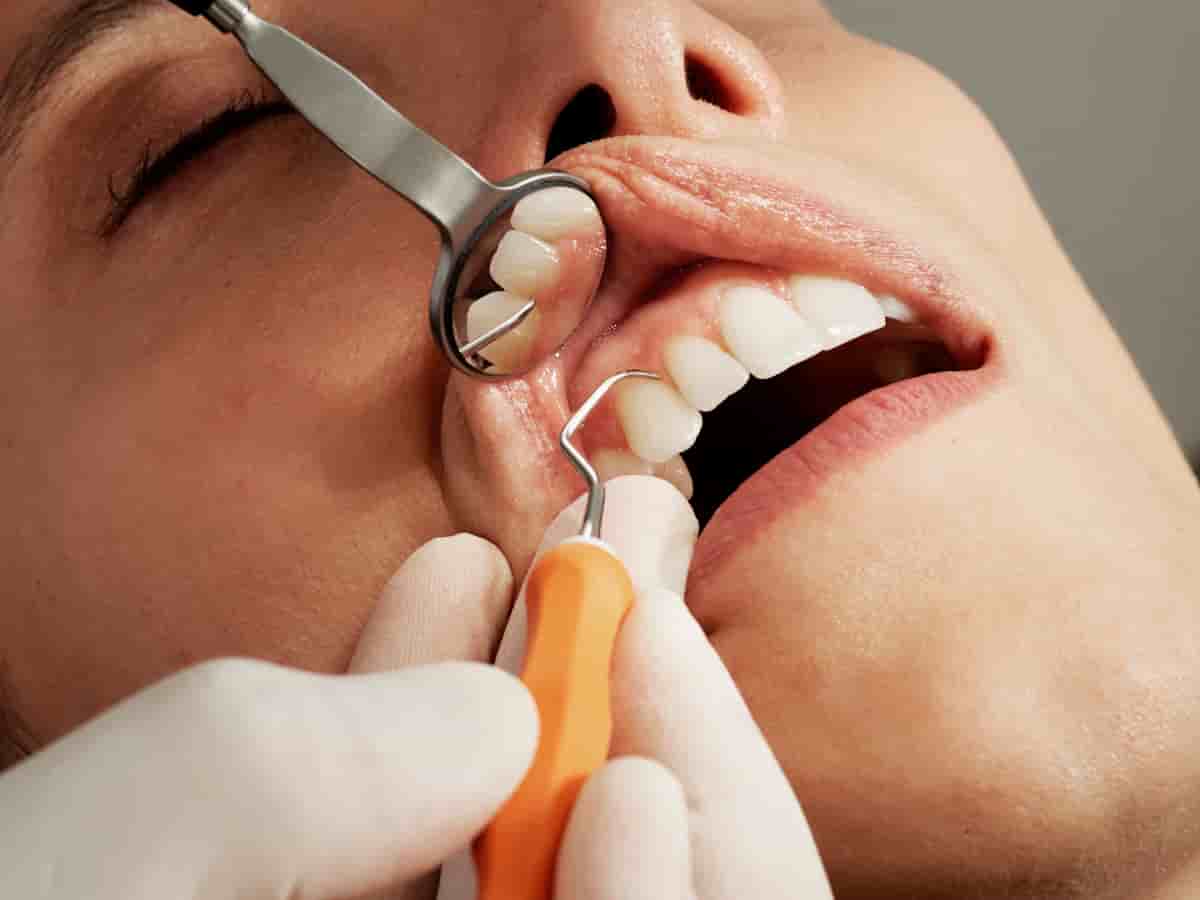
Oral health is closely connected to overall health. Poor oral hygiene has been linked to cardiovascular disease, diabetes complications, respiratory infections, and adverse pregnancy outcomes. Yet, dental problems remain among the most common health issues globally.
Why Oral Health Matters
The mouth is home to billions of bacteria. While many are harmless, without proper oral hygiene, harmful bacteria can cause:
- Tooth decay (cavities): The most common chronic disease worldwide
- Gum disease (periodontitis): Affects the tissues supporting the teeth and can lead to tooth loss
- Bad breath (halitosis)
- Oral infections and abscesses
Research has shown links between gum disease and:
- Cardiovascular disease (the Lancet has published evidence of associations)
- Type 2 diabetes (bidirectional relationship - each condition worsens the other)
- Preterm birth and low birth weight
- Respiratory infections (bacteria from the mouth can be aspirated)
Proper Brushing Technique
How to Brush
- Use a soft-bristled toothbrush (manual or electric)
- Brush for at least 2 minutes, twice a day (morning and before bed)
- Use fluoride toothpaste (1350-1500 ppm fluoride for adults; 1000 ppm for children aged 3-6)
- Hold the brush at a 45-degree angle to the gum line
- Use gentle, circular or short back-and-forth movements
- Brush all surfaces: outer, inner, and chewing surfaces of every tooth
- Brush the tongue gently to remove bacteria
Common Mistakes
- Brushing too hard (damages gums and enamel - use gentle pressure)
- Not brushing long enough
- Using a worn-out toothbrush (replace every 3 months or when bristles fray)
- Brushing immediately after acidic foods or drinks (wait 30 minutes to avoid enamel erosion)
Electric vs. Manual
Both are effective when used properly. The Cochrane review found that electric toothbrushes with a rotation-oscillation action may reduce plaque and gum disease slightly more than manual brushes.
Flossing and Interdental Cleaning
Brushing alone cleans only about 60% of tooth surfaces. Cleaning between teeth is essential:
- Dental floss: Slide gently between teeth, curve around each tooth in a C-shape, move up and down
- Interdental brushes: Often easier to use and very effective, especially for larger gaps
- Water flossers: An alternative for people who find flossing difficult
- Clean between teeth at least once a day, ideally before brushing
Mouthwash
- Fluoride mouthwash can provide additional protection - use at a different time from brushing (e.g., after lunch) for maximum benefit
- Chlorhexidine mouthwash may be prescribed short-term for gum problems
- Mouthwash is a supplement to brushing and flossing, not a replacement
Diet and Dental Health
- Limit sugary foods and drinks: Sugar feeds the bacteria that cause tooth decay
- Avoid frequent snacking: Each time you eat, the pH in your mouth drops, increasing acid attack on teeth
- Drink water as your main beverage
- Cheese and dairy help neutralise acids and provide calcium
- Crunchy fruits and vegetables stimulate saliva production, which protects teeth
- Avoid acidic drinks (fizzy drinks, fruit juice, energy drinks) - they erode enamel
Regular Dental Visits
NICE recommends dental check-ups at intervals determined by your dentist based on your risk:
- Low risk: Every 12-24 months
- Higher risk: Every 3-12 months
Regular visits allow:
- Early detection of cavities, gum disease, and oral cancer
- Professional cleaning to remove plaque and tartar
- Assessment of existing dental work
- Personalised oral hygiene advice
Children's Dental Health
- Begin brushing as soon as the first tooth appears
- Use a smear of fluoride toothpaste (1000 ppm) for children under 3
- Supervise brushing until age 7 or 8
- First dental visit by age 1 or within 6 months of the first tooth
- Limit sugary snacks and juice, especially between meals
- Consider fluoride varnish (applied by the dentist) for additional protection
This article is for informational purposes only and does not replace professional dental advice. Visit your dentist regularly for the best oral health outcomes.