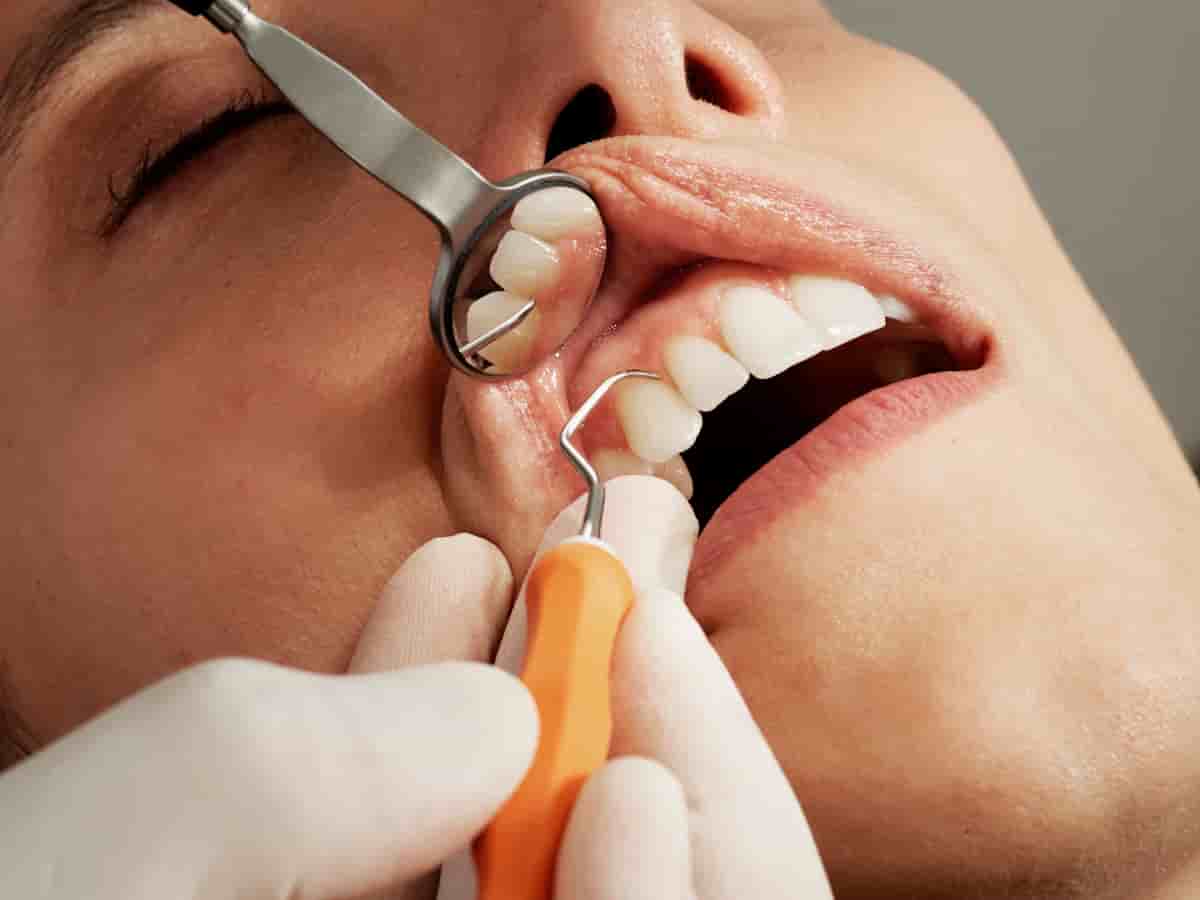
Oral health is an essential part of overall health. The World Health Organization (WHO) estimates that oral diseases affect nearly 3.5 billion people worldwide. Good dental hygiene prevents tooth decay, gum disease, and bad breath, and may also reduce your risk of heart disease and diabetes complications.
Daily Dental Care Essentials
Brushing
The American Dental Association (ADA) recommends:
- Brush your teeth twice daily for two minutes each time
- Use a soft-bristled toothbrush (replace every 3–4 months)
- Use fluoride toothpaste with at least 1,000 ppm fluoride (adults) or as recommended by your dentist for children
- Angle your toothbrush at 45 degrees to the gum line
- Use gentle, short strokes - vigorous brushing can damage gums and enamel
- Brush all surfaces: outer, inner, and chewing surfaces
- Brush your tongue to remove bacteria and freshen breath
Flossing
- Floss at least once daily to remove plaque and food particles between teeth where your toothbrush cannot reach
- Use approximately 45 cm (18 inches) of floss
- Gently curve the floss around each tooth in a C-shape
- Slide the floss up and down against the tooth surface
Mouthwash
- Antimicrobial mouthwash can help reduce bacteria, but it is not a substitute for brushing and flossing
- Fluoride mouthwash can strengthen tooth enamel
- Avoid mouthwash immediately after brushing (it washes away the concentrated fluoride in toothpaste). Wait at least 30 minutes
Common Dental Problems
Tooth Decay (Dental Caries)
Tooth decay occurs when bacteria in your mouth produce acids that erode tooth enamel. Risk factors include:
- Frequent snacking and sugary drinks
- Poor brushing habits
- Dry mouth
- Not visiting the dentist regularly
According to the WHO, dental caries is the most common noncommunicable disease globally.
Gum Disease (Gingivitis and Periodontitis)
Gingivitis is inflammation of the gums caused by plaque buildup. Symptoms include:
- Red, swollen, or tender gums
- Bleeding when brushing or flossing
- Persistent bad breath
If untreated, gingivitis can progress to periodontitis, where the bone supporting your teeth is damaged, potentially leading to tooth loss. The CDC estimates that 47.2% of adults aged 30 and older have some form of periodontal disease.
Tooth Sensitivity
Sensitivity to hot, cold, sweet, or acidic foods and drinks can result from:
- Worn tooth enamel
- Exposed tooth roots due to gum recession
- Cavities or cracked teeth
- Recent dental procedures (temporary)
Bad Breath (Halitosis)
Common causes include:
- Poor oral hygiene
- Gum disease
- Dry mouth
- Certain foods (garlic, onions)
- Smoking
- Certain medical conditions
When to See a Dentist
Visit your dentist if you experience:
- Tooth pain or sensitivity that persists
- Bleeding gums
- Swelling in your mouth or face
- A tooth that is chipped, cracked, or knocked out
- Persistent bad breath despite good hygiene
- White spots on teeth (early sign of decay)
- Loose teeth in adults
How Often Should You Visit the Dentist?
The general recommendation is every 6 months for a routine check-up and professional cleaning. Your dentist may recommend more frequent visits if you have gum disease, are prone to cavities, or have other risk factors.
Dental Health and Overall Health
Research has established connections between oral health and systemic conditions:
- Heart disease: The American Heart Association acknowledges an association between periodontal disease and cardiovascular disease, though the exact nature is still being studied
- Diabetes: People with diabetes are more prone to gum disease, and severe gum disease may worsen blood sugar control
- Pregnancy: Gum disease has been associated with premature birth and low birth weight
Tips for Children's Dental Health
- Start cleaning your baby's gums with a soft, damp cloth before teeth appear
- Use a rice-grain-sized amount of fluoride toothpaste for children under 3
- Use a pea-sized amount for children aged 3–6
- Supervise brushing until age 7–8
- First dental visit should occur by the child's first birthday or within six months of the first tooth appearing
- Limit sugary snacks and drinks
- Avoid bottles at bedtime (can cause "baby bottle tooth decay")
This article is for informational purposes only and does not replace professional medical advice. Always consult your dentist for personalised guidance.