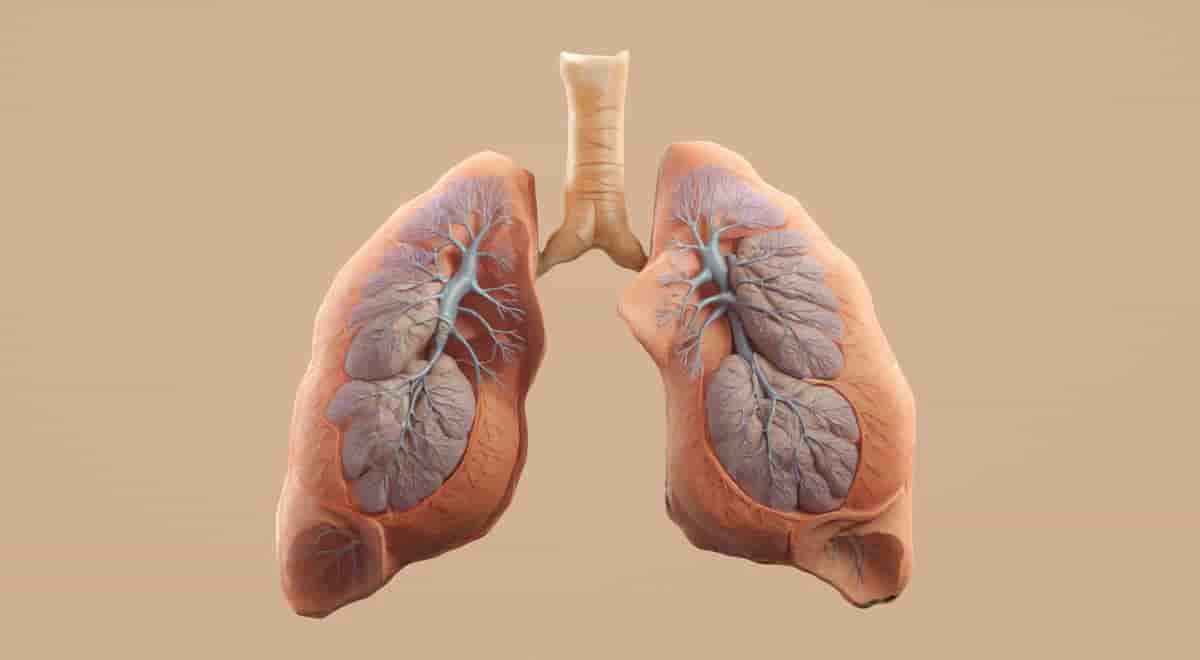
Chronic obstructive pulmonary disease (COPD) is a group of progressive lung conditions that cause airflow obstruction and breathing difficulties. It is the third leading cause of death worldwide, accounting for approximately 3.2 million deaths annually. COPD is largely preventable and treatable, yet it remains underdiagnosed in many populations.
What is COPD?
COPD encompasses two main conditions that often coexist:
- Chronic bronchitis: Inflammation and narrowing of the bronchial tubes with excessive mucus production
- Emphysema: Damage and destruction of the alveoli (air sacs), reducing the surface area available for gas exchange
The result is progressive, largely irreversible airflow limitation that makes it increasingly difficult to exhale air from the lungs.
Causes
Smoking
The most important cause, responsible for approximately 80-90% of COPD cases. The risk increases with the number of pack-years (number of packs per day multiplied by years of smoking). Passive smoking also contributes.
Occupational Exposure
Long-term exposure to workplace dusts, chemicals, and fumes can cause COPD, particularly in:
- Construction workers
- Miners
- Welders
- Agricultural workers
- Workers in chemical processing
Outdoor and Indoor Air Pollution
Exposure to biomass fuels (wood, coal, dung) used for cooking and heating, particularly in poorly ventilated homes, is a significant cause of COPD in low-income countries.
Genetic Factors
Alpha-1 antitrypsin deficiency is a rare genetic condition that predisposes to early-onset emphysema, particularly in non-smokers.
Symptoms
Symptoms often develop gradually and may be dismissed as normal ageing:
- Breathlessness: Progressive, worse with exertion, eventually present at rest
- Chronic cough: Often called "smoker's cough"
- Sputum production: Regular production of phlegm
- Wheezing
- Frequent chest infections
- Fatigue
- Unintentional weight loss (in advanced disease)
Diagnosis
- Spirometry: The gold standard. Shows a post-bronchodilator FEV1/FVC ratio of less than 0.70
- Chest X-ray: May show hyperinflation, flattened diaphragms
- CT scan: Can show emphysematous changes and exclude other conditions
- Blood tests: Full blood count, alpha-1 antitrypsin level
- Arterial blood gas: In advanced disease, to assess oxygen and carbon dioxide levels
GOLD Classification
The Global Initiative for Chronic Obstructive Lung Disease (GOLD) classifies COPD severity by FEV1 after bronchodilator:
- GOLD 1 (Mild): FEV1 at least 80% predicted
- GOLD 2 (Moderate): FEV1 50-79% predicted
- GOLD 3 (Severe): FEV1 30-49% predicted
- GOLD 4 (Very Severe): FEV1 less than 30% predicted
Treatment
Smoking Cessation
The single most important intervention. The only treatment proven to slow the rate of lung function decline. It is beneficial at any stage of the disease.
Bronchodilators
- Short-acting: Salbutamol, ipratropium (for immediate relief)
- Long-acting beta-agonists (LABA): Formoterol, salmeterol, indacaterol
- Long-acting muscarinic antagonists (LAMA): Tiotropium, glycopyrronium, umeclidinium
- Combination LABA/LAMA inhalers for those not adequately controlled on single therapy
Inhaled Corticosteroids
Added to LABA/LAMA in patients with frequent exacerbations and elevated eosinophil counts. Not recommended as monotherapy in COPD.
Pulmonary Rehabilitation
A structured programme of exercise training, education, and self-management. Evidence shows significant improvements in:
- Exercise capacity
- Breathlessness
- Quality of life
- Hospital admissions
Oxygen Therapy
Long-term oxygen therapy (at least 15 hours per day) improves survival in patients with severe resting hypoxaemia.
Vaccinations
- Annual influenza vaccine
- Pneumococcal vaccine
- COVID-19 vaccine
Managing Exacerbations
Acute worsening of symptoms (exacerbations) are treated with:
- Increased bronchodilator use
- Short courses of oral corticosteroids
- Antibiotics if bacterial infection is suspected
- Hospital admission for severe exacerbations
Living with COPD
- Stay as physically active as possible
- Attend pulmonary rehabilitation
- Take medications as prescribed
- Learn breathing techniques (pursed lip breathing, diaphragmatic breathing)
- Maintain a healthy weight
- Avoid air pollution and smoke exposure
- Have a written action plan for exacerbations
At Jabal Sina Medical Centre, our pulmonary medicine team provides comprehensive COPD assessment, spirometry, and ongoing management to help you breathe easier.
This article is for informational purposes only and does not replace professional medical advice. Always consult your doctor for personalised guidance.