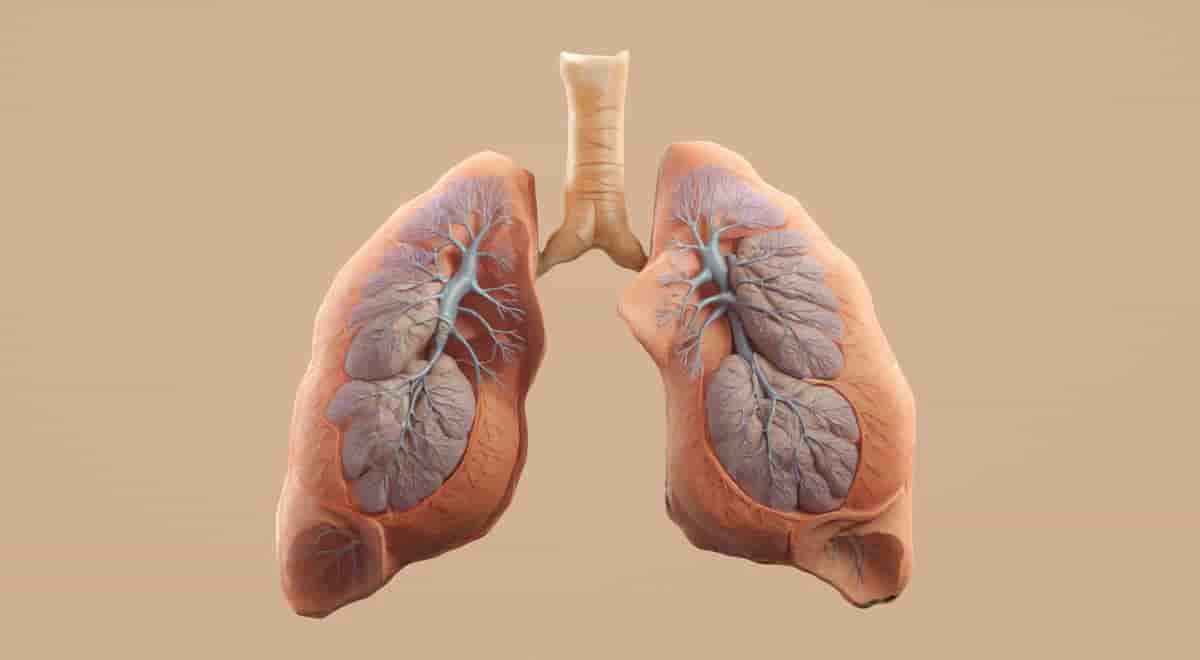
Asthma is a chronic respiratory condition in which the airways become inflamed, narrowed, and produce excess mucus, making breathing difficult. It affects an estimated 262 million people worldwide. In the UAE, the prevalence is significant, with studies suggesting rates of 8-13% in children and adults, influenced by environmental factors, rapid urbanisation, and high rates of allergic sensitisation.
How Asthma Works
In asthma, the airways are chronically inflamed. When exposed to triggers:
- Bronchospasm: The muscles around the airways tighten, narrowing the air passages
- Inflammation: The airway lining becomes more swollen
- Mucus production: Excess thick mucus further blocks the airways
This produces the characteristic symptoms of wheezing, coughing, chest tightness, and shortness of breath.
Common Triggers in the UAE
Environmental
- Dust and sandstorms: Desert dust is a major trigger, especially during shamal winds
- High humidity: Can worsen asthma, particularly in coastal areas
- Air conditioning systems: Poorly maintained systems can harbour mould and dust mites
- Air pollution: Vehicle emissions and industrial pollutants
- Tobacco smoke: Both active and passive exposure
Allergic
- House dust mites: Thrive in the UAE's warm, humid indoor environments
- Cockroach allergens
- Pet dander
- Mould
- Pollen (less common in the UAE but present)
Other
- Respiratory infections (colds, flu)
- Exercise (especially in cold or dry air)
- Strong emotions or stress
- Certain medications (NSAIDs such as ibuprofen, aspirin, beta-blockers)
- Perfumes and strong odours (incense, bakhoor are common triggers in the Gulf region)
- Changes in weather
Diagnosis
Asthma is diagnosed through:
- Clinical history: Pattern of symptoms, triggers, family history
- Spirometry: Breathing test measuring how much and how fast you can exhale. Shows reversible airway obstruction
- Peak flow monitoring: Using a peak flow meter at home
- FeNO test: Measures exhaled nitric oxide, a marker of airway inflammation
- Bronchial challenge test: If spirometry is normal but asthma is suspected
Treatment
Reliever Inhalers (Blue)
- Short-acting beta-agonists (SABA) such as salbutamol
- Open airways quickly during symptoms or attacks
- Should be used only when needed
- If using more than 2-3 times per week, asthma is not well-controlled
Preventer Inhalers (Brown/Orange)
- Inhaled corticosteroids (ICS) such as beclometasone, budesonide, fluticasone
- Reduce airway inflammation over time
- Must be used daily even when feeling well
- Take 2-4 weeks to reach full effect
- Rinse mouth after use to prevent oral thrush
Combination Inhalers (Purple/Red)
- Combine ICS with a long-acting beta-agonist (LABA)
- Examples: fluticasone/salmeterol, budesonide/formoterol
- Used when preventer alone is insufficient
Other Treatments
- Leukotriene receptor antagonists (montelukast)
- Long-acting muscarinic antagonists (tiotropium)
- Biologic therapies for severe asthma (omalizumab, mepolizumab)
Inhaler Technique
GINA reports that up to 80% of patients use their inhalers incorrectly, reducing effectiveness. Key principles:
- Shake metered-dose inhalers before use
- Breathe out fully before inhaling the medication
- Create a good seal with your lips
- Breathe in slowly and deeply
- Hold breath for 10 seconds after inhaling
- Use a spacer device for metered-dose inhalers to improve delivery
- Ask your doctor, nurse, or pharmacist to check your technique regularly
Asthma Action Plan
Every person with asthma should have a written action plan covering:
- Green zone: Asthma well-controlled. Daily preventer, no extra treatment needed
- Amber zone: Symptoms worsening. Increase preventer, use reliever, monitor closely
- Red zone: Severe symptoms. Use reliever, seek emergency care immediately
When to Seek Emergency Care
Call for help immediately if:
- Reliever inhaler is not helping or lasts less than 4 hours
- Too breathless to speak in full sentences
- Lips or fingernails appear blue
- Breathing is very fast
- Peak flow drops below 50% of personal best
- Symptoms are getting rapidly worse
Living Well with Asthma
- Take preventer medication daily as prescribed
- Carry your reliever inhaler at all times
- Keep indoor environments clean (vacuum regularly, wash bedding at 60°C, use air purifiers)
- Avoid known triggers where possible
- Stay hydrated, especially in the UAE heat
- Exercise regularly (well-controlled asthma should not prevent physical activity)
- Get annual flu vaccination
- Have regular asthma reviews with your doctor
At Jabal Sina Medical Centre, our pulmonary medicine and general practice teams provide spirometry testing, personalised asthma management plans, and ongoing monitoring.
This article is for informational purposes only and does not replace professional medical advice. Always consult your doctor for personalised guidance.