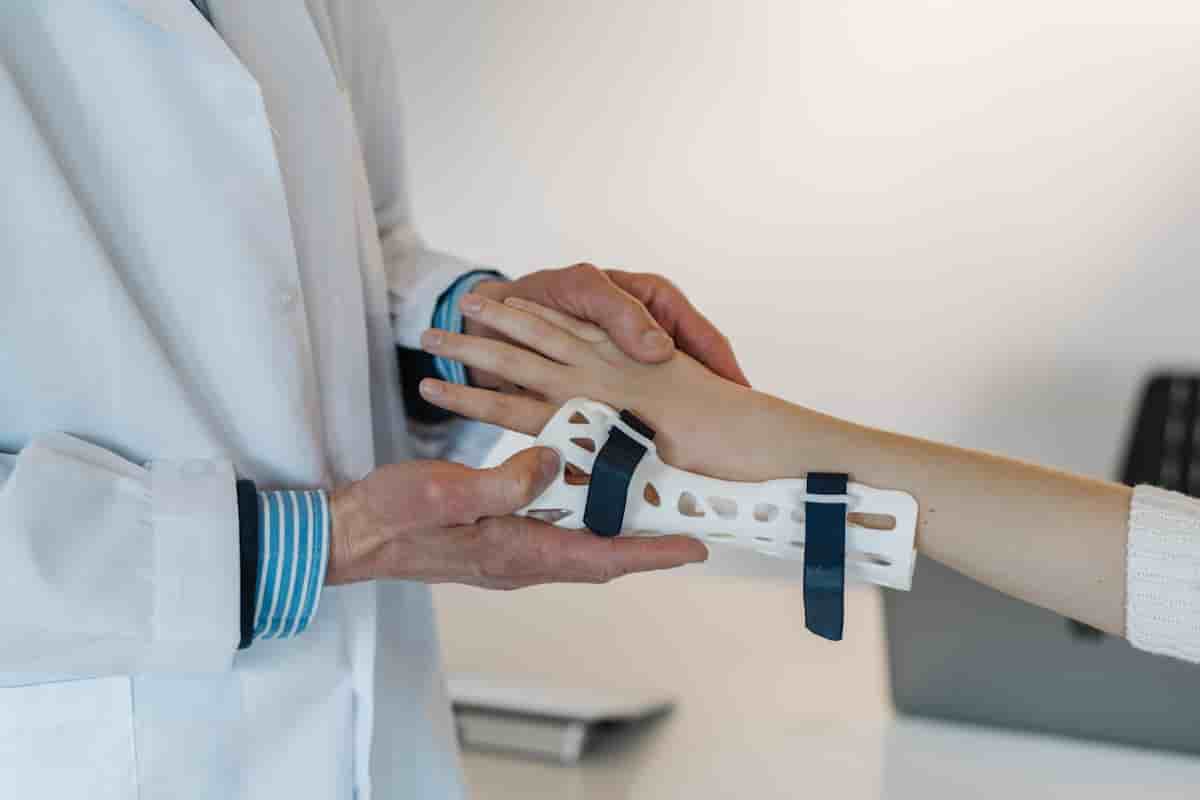
Osteoporosis is a condition where bones become weak and brittle, significantly increasing the risk of fractures. The International Osteoporosis Foundation estimates that 1 in 3 women and 1 in 5 men over the age of 50 will experience an osteoporotic fracture.
Understanding Bone Health
Bone is living tissue that is constantly being broken down (resorption) and rebuilt (formation). Peak bone mass is reached in the late 20s to early 30s. After this, bone loss gradually exceeds bone formation.
In osteoporosis, this imbalance accelerates, causing:
- Reduced bone density
- Altered bone structure (microarchitecture)
- Increased fragility and fracture risk
Risk Factors
Non-Modifiable
- Age: Risk increases significantly after 50
- Gender: Women are at higher risk, especially after menopause (oestrogen protects bones; its decline accelerates bone loss)
- Family history of osteoporosis or hip fracture
- Ethnicity: White and Asian populations have higher risk
- Previous fragility fracture (fracture from a fall from standing height or less)
- Early menopause (before age 45)
Modifiable
- Low calcium and vitamin D intake
- Physical inactivity
- Smoking
- Excessive alcohol consumption (more than 3 units daily)
- Low body weight (BMI below 18.5)
- Prolonged corticosteroid use (e.g., prednisolone)
- Eating disorders (anorexia nervosa)
Medical Conditions That Increase Risk
- Rheumatoid arthritis
- Coeliac disease
- Inflammatory bowel disease
- Hyperthyroidism
- Hypogonadism (low sex hormones)
- Chronic kidney disease
Symptoms
Osteoporosis is often called a "silent disease" because there are usually no symptoms until a fracture occurs. Common osteoporotic fractures:
- Hip fractures: Serious, often requiring surgery, and associated with significant morbidity
- Vertebral (spinal) fractures: May cause back pain, loss of height, and stooped posture (kyphosis). Some occur without symptoms
- Wrist fractures: Often the first sign, particularly after a fall
Diagnosis
DEXA Scan (Dual-Energy X-ray Absorptiometry)
- The gold standard for measuring bone mineral density (BMD)
- Usually measured at the hip and lumbar spine
- Results are given as a T-score:
| T-score | Interpretation |
|---|---|
| Above -1.0 | Normal |
| -1.0 to -2.5 | Osteopenia (reduced bone density) |
| -2.5 or below | Osteoporosis |
| -2.5 or below with fracture | Severe osteoporosis |
FRAX Tool
The FRAX (Fracture Risk Assessment Tool), recommended by NICE and the WHO, estimates your 10-year probability of fracture based on clinical risk factors, with or without a DEXA result.
Prevention: Building and Maintaining Strong Bones
Calcium
- Adults need approximately 700-1000 mg of calcium daily
- Good sources: dairy products (milk, cheese, yoghurt), fortified plant milks, green leafy vegetables (broccoli, kale), canned fish with bones (sardines), tofu, almonds
- If dietary intake is insufficient, calcium supplements may be recommended
Vitamin D
- Essential for calcium absorption
- In the UAE, despite abundant sunshine, vitamin D deficiency is extremely common (80%+ of the population)
- Recommended intake: 10 micrograms (400 IU) daily for all adults
- Higher doses may be needed to correct deficiency (as prescribed by your doctor)
- Sources: sunlight (sensible exposure), oily fish, eggs, fortified foods, supplements
Weight-Bearing Exercise
- Walking, jogging, dancing, stair climbing, tennis
- Resistance training with weights or resistance bands
- Balance exercises (reduce fall risk)
- NICE recommends exercise as a core component of osteoporosis prevention and management
Lifestyle
- Do not smoke
- Limit alcohol to no more than 14 units per week
- Maintain a healthy body weight
Treatment
When osteoporosis is diagnosed or fracture risk is high, your doctor may prescribe:
Bisphosphonates
- First-line treatment: alendronic acid (once weekly), risedronate, zoledronic acid (IV, once yearly)
- Reduce bone resorption and fracture risk by 30-50%
- Take alendronic acid on an empty stomach with a full glass of water, 30 minutes before food, while sitting upright
Other Medications
- Denosumab: Injection every 6 months; for patients who cannot take bisphosphonates
- Teriparatide: Injection that stimulates new bone formation; for severe osteoporosis
- Raloxifene: Selective oestrogen receptor modulator; for postmenopausal women
- HRT (Hormone Replacement Therapy): Protects bones but used primarily for menopausal symptoms
Fall Prevention
Reducing fall risk is as important as treating bone density:
- Remove trip hazards at home
- Ensure adequate lighting
- Wear supportive footwear
- Have vision checked regularly
- Review medications that may cause dizziness
This article is for informational purposes only and does not replace professional medical advice. Always consult your doctor for personalised guidance.