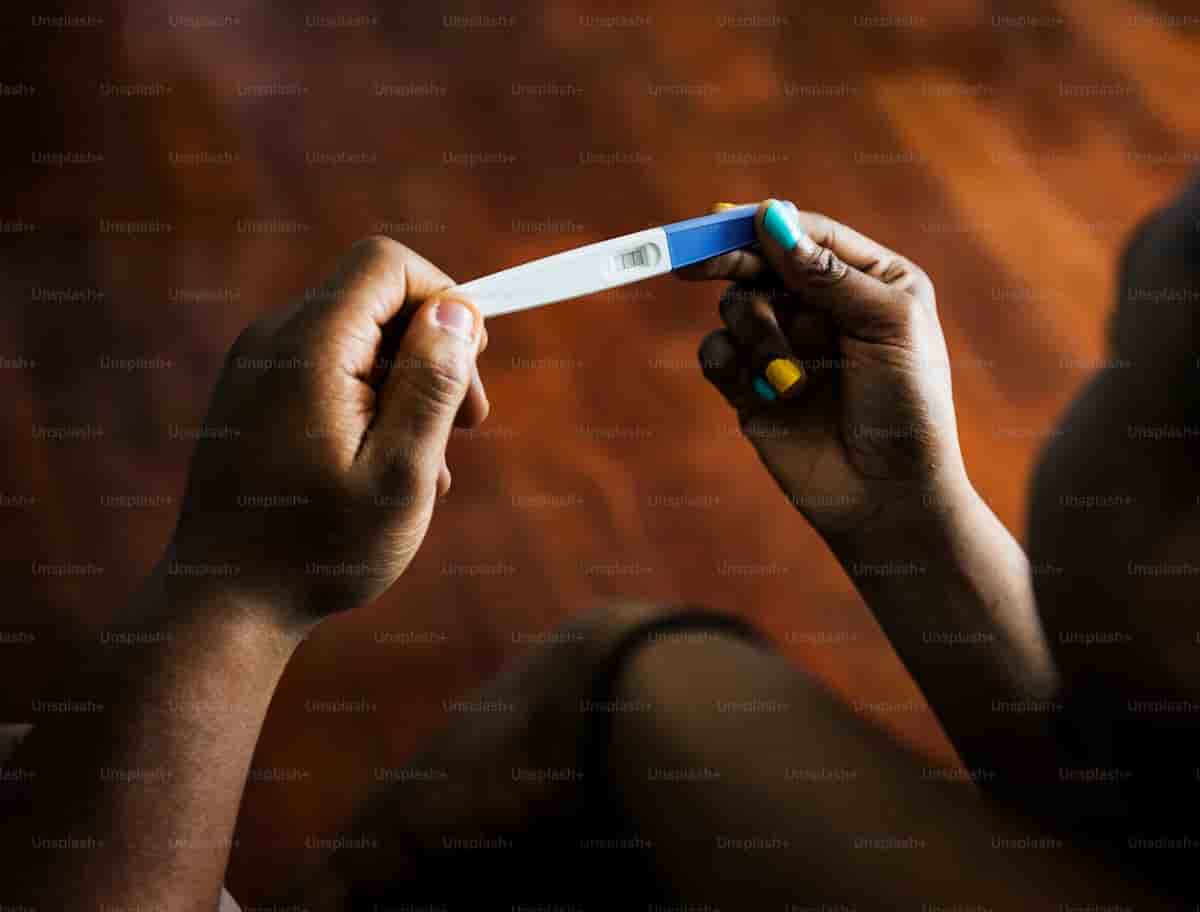
The first trimester of pregnancy (weeks 1–12) is a critical period of development for your baby and a time of significant changes for your body. Understanding what to expect can help you feel more prepared and confident.
Early Pregnancy Symptoms
Most women experience some combination of the following symptoms during the first trimester:
- Missed period: Often the first sign of pregnancy
- Nausea and vomiting: Commonly called "morning sickness," though it can occur at any time of day. The American College of Obstetricians and Gynecologists (ACOG) reports that 50-80% of pregnant women experience nausea in the first trimester
- Breast tenderness and swelling
- Fatigue: Increased progesterone levels cause extreme tiredness
- Frequent urination: As the uterus grows and presses on the bladder
- Food aversions or cravings
- Mood changes: Hormonal fluctuations can affect emotions
These symptoms are normal and usually improve by the second trimester (after week 12–14).
Recommended Prenatal Care
First Appointment (Booking Visit)
NICE guideline NG201 (Antenatal Care) recommends that the first antenatal appointment should ideally occur before 10 weeks of gestation. This visit typically includes:
- Medical history review: Including previous pregnancies, chronic conditions, and medications
- Blood tests: Blood group, Rhesus factor, full blood count, hepatitis B, HIV screening (with consent), and syphilis
- Urine test: To check for infections and protein
- Blood pressure measurement
- BMI calculation
- Discussion of supplements: Folic acid (400 micrograms daily) and vitamin D (10 micrograms daily) throughout pregnancy
First Ultrasound Scan (Dating Scan)
The dating scan is typically offered between 11 and 13 weeks. It confirms:
- Gestational age and estimated due date
- Whether the pregnancy is single or multiple
- The baby's heartbeat
- Combined screening for chromosomal conditions (when combined with blood tests)
Nuchal Translucency Screening
Between 11 and 14 weeks, a combined test measuring nuchal translucency (fluid at the back of the baby's neck) along with blood markers can assess the probability of chromosomal conditions such as Down syndrome (trisomy 21). This is a screening test, not a diagnostic test.
What to Avoid During the First Trimester
Based on ACOG and NICE guidance:
- Alcohol: No amount of alcohol has been proven safe during pregnancy
- Smoking: Increases the risk of miscarriage, low birth weight, and premature birth
- Certain medications: Always check with your doctor before taking any medication, including over-the-counter drugs and herbal supplements
- Raw or undercooked meat and eggs: Risk of toxoplasmosis and salmonella
- Unpasteurised dairy products and soft cheeses: Risk of listeriosis
- High-mercury fish: Shark, swordfish, and king mackerel should be avoided
- Excessive caffeine: NICE recommends limiting caffeine to 200 mg per day (approximately two cups of coffee)
Warning Signs That Require Immediate Medical Attention
Contact your doctor or go to the hospital if you experience:
- Vaginal bleeding: While light spotting is common, heavy bleeding may indicate a problem
- Severe abdominal pain or cramping: Especially on one side (may suggest ectopic pregnancy)
- Severe nausea and vomiting (hyperemesis gravidarum): If you cannot keep any food or fluids down
- High fever: Above 38°C (100.4°F)
- Painful urination: May indicate a urinary tract infection
- Dizziness or fainting
Managing Common First Trimester Symptoms
For Nausea
- Eat small, frequent meals
- Avoid spicy or greasy foods
- Ginger tea or ginger biscuits may help
- Stay hydrated
- Your doctor may recommend vitamin B6 or antiemetic medication if nausea is severe
For Fatigue
- Rest when you can
- Go to bed earlier
- Light exercise such as walking can help boost energy
- Ensure adequate iron intake (your blood tests will check this)
For Breast Tenderness
- Wear a supportive bra
- Avoid underwire if uncomfortable
Planning Ahead
The first trimester is a good time to:
- Choose your healthcare provider for ongoing prenatal care
- Discuss any genetic testing you may want
- Start thinking about your birth preferences
- Inform your employer when you feel ready
This article is for informational purposes only and does not replace professional medical advice. Always consult your doctor for personalised guidance.