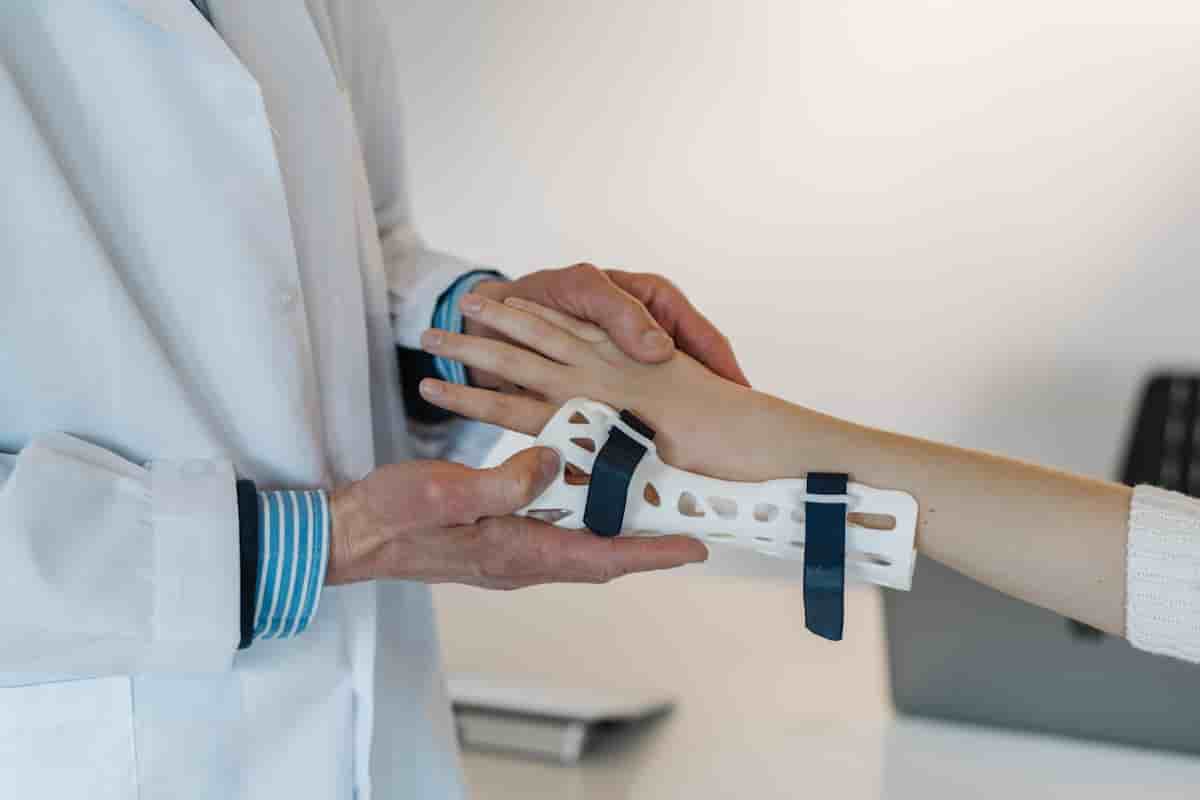
Arthritis is not a single disease but a term covering more than 100 conditions that affect the joints and surrounding tissues. The two most common types are osteoarthritis and rheumatoid arthritis, and they have different causes, symptoms, and treatments.
Osteoarthritis (OA)
What Is It?
The most common form of arthritis, affecting over 500 million people worldwide. It occurs when the cartilage that cushions the ends of bones gradually wears down, leading to pain, stiffness, and reduced movement.
Commonly Affected Joints
- Knees, hips, hands (especially the base of the thumb), spine, big toe
Symptoms
- Joint pain that worsens with activity and improves with rest
- Stiffness, particularly in the morning (usually lasting less than 30 minutes)
- Swelling around the joint
- Reduced range of movement
- Creaking or grinding sensation (crepitus)
- Bony enlargements (Heberden's nodes on fingers)
Risk Factors
- Age (most common over 50)
- Previous joint injury
- Obesity (excess weight increases stress on joints)
- Family history
- Gender (women are more commonly affected after menopause)
Rheumatoid Arthritis (RA)
What Is It?
An autoimmune condition where the immune system mistakenly attacks the lining of the joints (synovium), causing inflammation, pain, and joint damage. Unlike OA, RA can affect other body systems including the skin, eyes, lungs, heart, and blood vessels.
Commonly Affected Joints
- Small joints of the hands and wrists, feet, knees, shoulders, elbows
Symptoms
- Joint pain, swelling, and warmth
- Morning stiffness lasting more than 30 minutes (often hours)
- Symmetrical pattern (both sides of the body affected)
- Fatigue and feeling generally unwell
- Firm lumps under the skin (rheumatoid nodules)
- Periods of flare and remission
Diagnosis
Osteoarthritis
- Based on symptoms, physical examination, and age
- X-rays may show joint space narrowing and bone spurs
- Blood tests are usually normal
- NICE does not recommend routine imaging for diagnosing OA if the clinical picture is clear
Rheumatoid Arthritis
- Blood tests: Rheumatoid factor (RF), anti-CCP antibodies, ESR, CRP
- Imaging: Ultrasound or MRI of joints to detect early inflammation and damage
- Early referral to a rheumatologist is essential - treatment within 3 months of symptom onset produces the best outcomes
Treatment
Osteoarthritis Management (NICE NG226)
Core treatments (recommended for everyone):
- Exercise: The single most important treatment. Strengthening the muscles around the joint reduces pain and improves function. Walking, swimming, and cycling are excellent
- Weight management: Losing even 5% of body weight significantly reduces knee pain
- Education and self-management: Understanding the condition empowers better self-care
Additional treatments:
- Paracetamol or topical NSAIDs for pain relief
- Oral NSAIDs (ibuprofen, naproxen) at the lowest effective dose for the shortest time
- Physiotherapy
- Assistive devices (walking aids, joint supports)
- Joint replacement surgery for severe cases unresponsive to other treatments
Rheumatoid Arthritis Management (NICE NG100)
Medication:
- DMARDs (disease-modifying anti-rheumatic drugs): Methotrexate is first-line. These medications slow or stop joint damage
- Biological therapies: For patients who do not respond adequately to DMARDs
- Corticosteroids: Short-term use to control flares
- Pain relief: NSAIDs and paracetamol as needed
NICE recommends starting DMARD treatment as early as possible, ideally within 3 months of persistent symptoms.
Non-drug management:
- Physiotherapy and occupational therapy
- Regular exercise (helps maintain joint function and overall fitness)
- Foot care and orthotics
- Psychological support (living with a chronic condition can affect mental health)
Living With Arthritis
- Stay active - exercise is medicine for arthritis
- Protect your joints - avoid repetitive strain, use good posture
- Manage your weight
- Pace your activities - balance activity with rest
- Use heat and cold therapy (heat for stiffness, cold for acute swelling)
- Seek support if you are struggling emotionally
This article is for informational purposes only and does not replace professional medical advice. Always consult your doctor for personalised guidance.